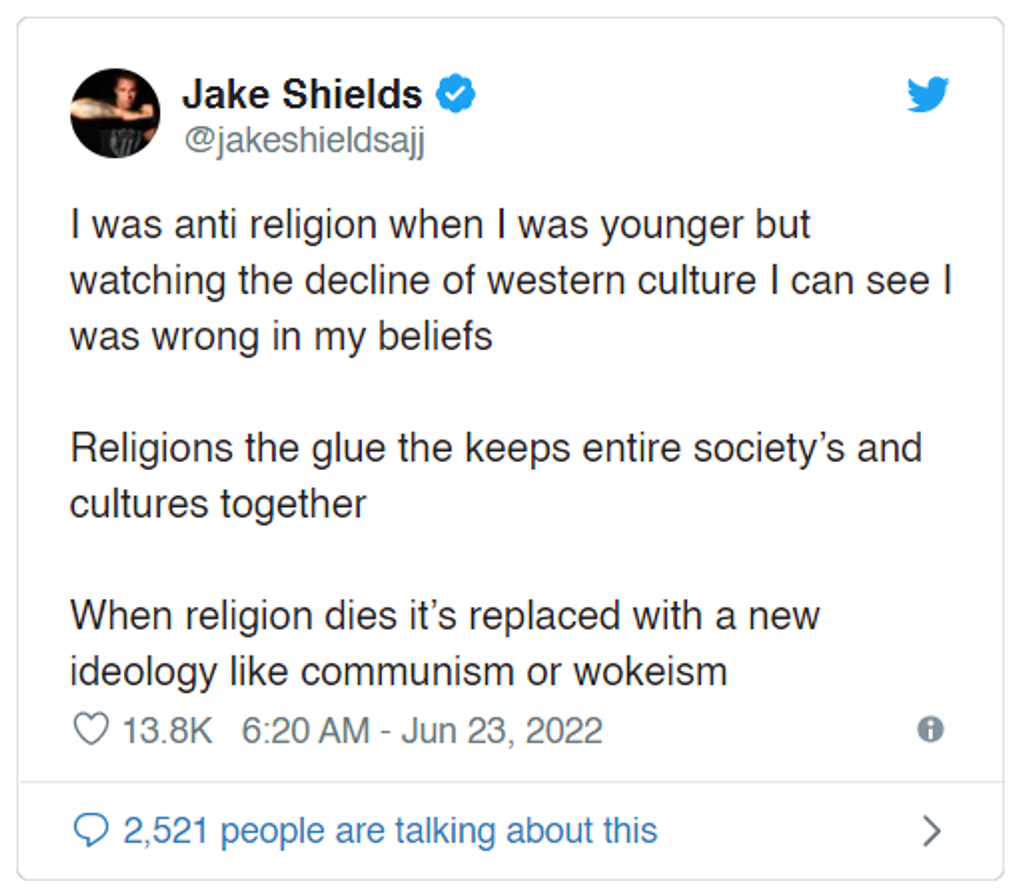
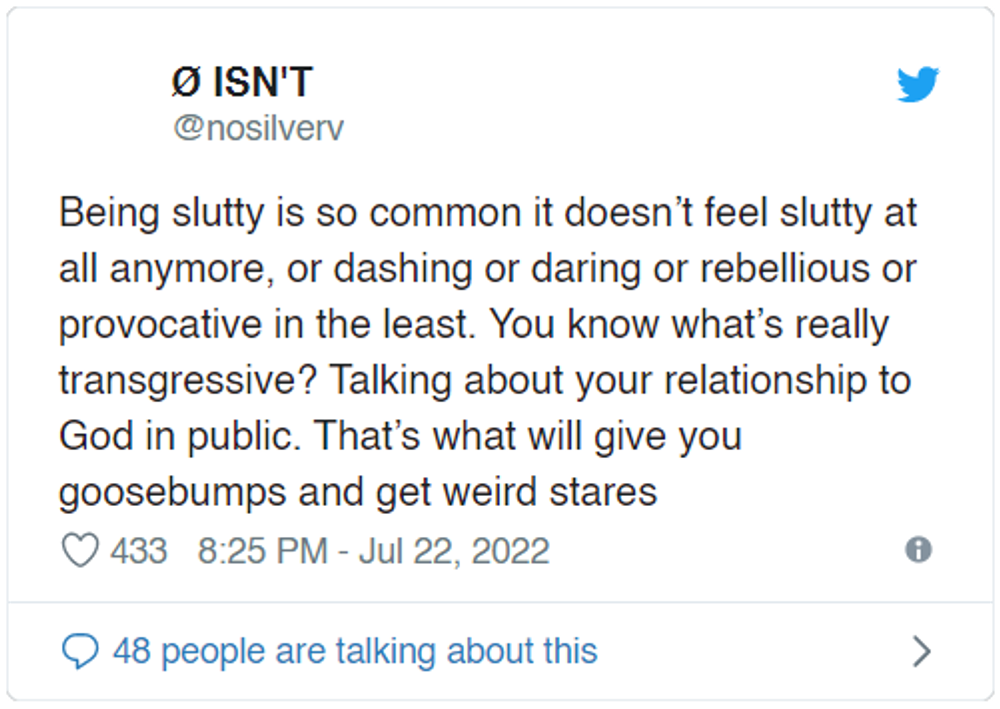
All people in religious groups have faith in their beliefs.In effect, their belief system
gives them faith that things will turn out well based on a set of actions. This increases the said
benefits of those actions, and the perceived consequences of actions that are seen as negative.
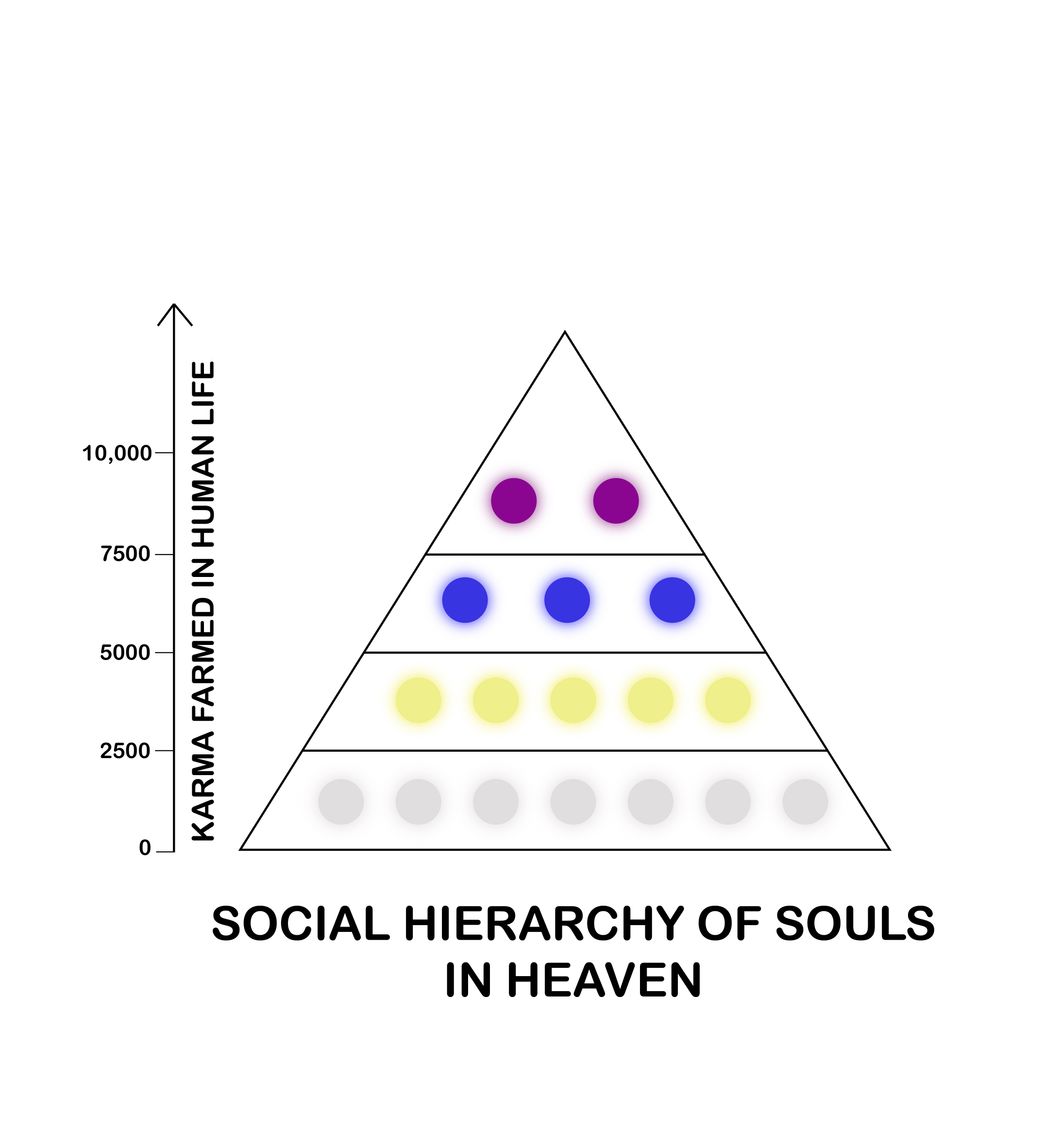
Religions most notably represent belief systems of the actions necessary to take steps to a
heightened existence, salvation, and heaven which gives people more power in the present to act in
accordance with that belief about the future. In essence the theory of religion acts as a framework
for belief returning the highest reward down the line, giving the drive necessary for someone to
change their actions for the better in the present.
Faith isn’t impermeable or perfect for anyone, and extreme amounts of faith can actually have
negative consequences. Actions taken from this ideal have been recognized societally as ignorant and
has cost
human lives in the past.
Faith and Conviction go hand and hand in shaping the actions of us all:
Faith that a higher power will fix problems for you = Bad
Faith that your positive actions will lead to a more positive universe = Good
Faith that your restriction of dopamine in the present will lead to future rewards = Good
Faith that there will be more value in not stealing than stealing = Good
Link
Faith in the value and reward of becoming our best selves = very good
We recently entered a weird period of time where we felt like we started to understand everything,
how the world works, and our place in it. Many have lost their faith and conviction in using their
time and money to help, and succumbed their conscious existence to a state of seeking comfort.
Alongside the interconnectivity of the internet, closer interactions between people of separate
faiths, and loads of opposing information to entrapping dogma becoming readily avalible, religious
faith took a beating.
This made us collectively lose the global average of conviction in faith; as it became unnecessary
and more foolish.
As we are in new times where our technological capabilities push beyond our understanding we once
again we will resume to tradition of coercion around philosophical truths and realign ourselves with
new theories that wrap the idea of faith and karma in ways that are universal.
By rebuilding these communities, we can create a funnel towards action predicated on the most
important problems in today’s society.
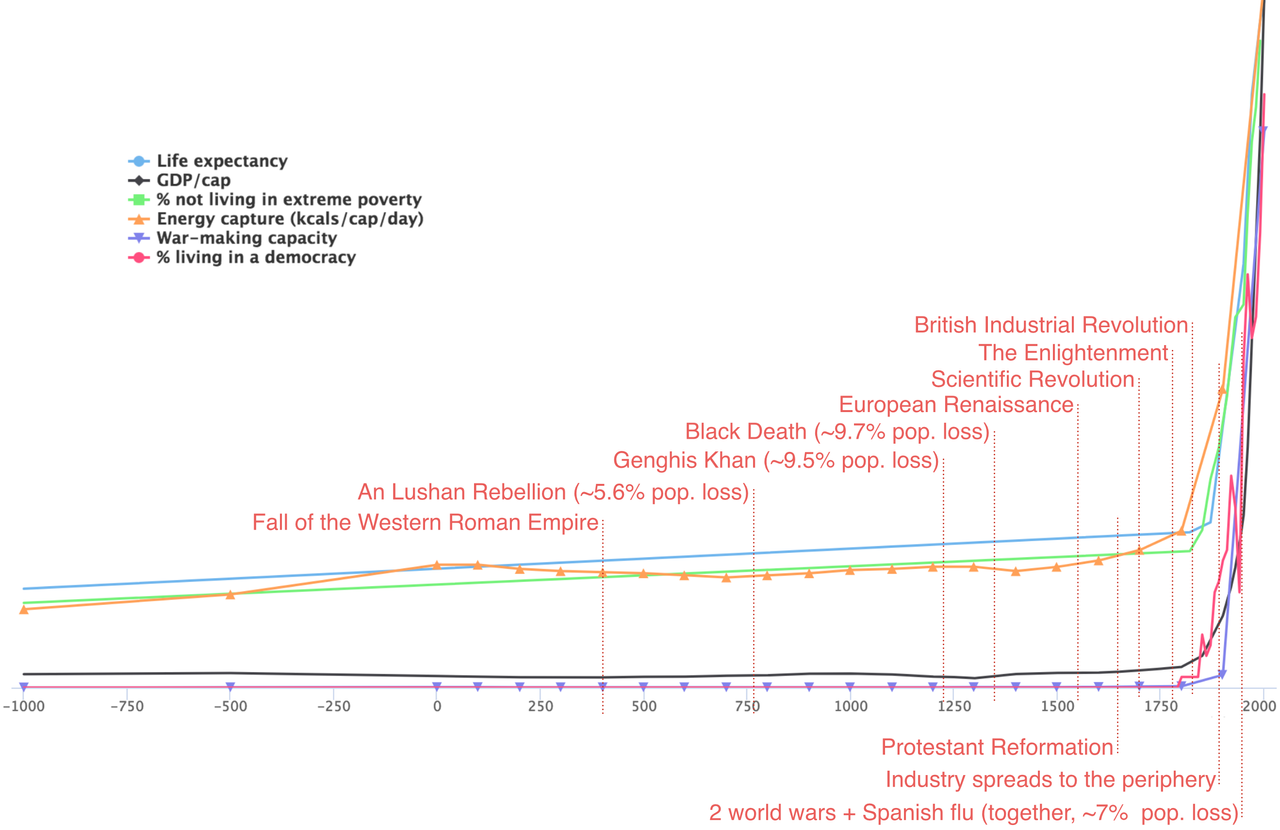
We live in a world that rests on an assumption that we can fathom what is possible and what is not.
Yet history has shown us that the impossible often becomes possible, and that the dreams that seem
out of our reach become very real. Everything on this earth, every one of humanity’s achievements is
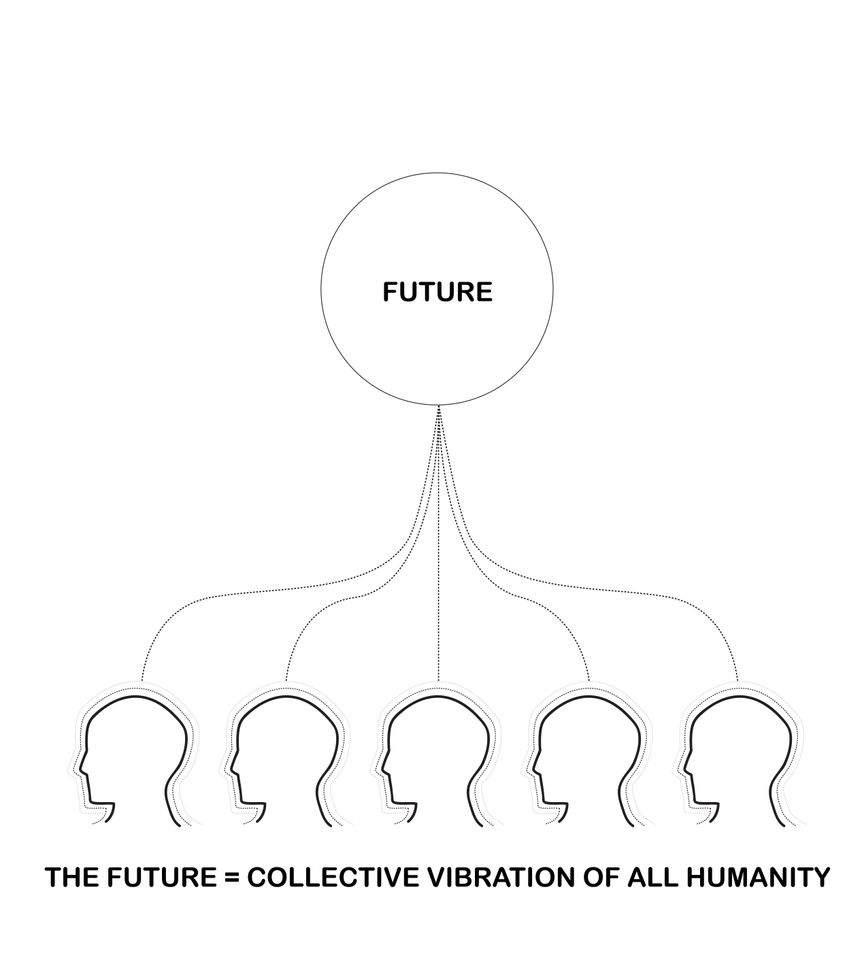
simply a manifestation of how high we have previously aimed. The future is created by the
belief/wants of the whole of humanity and the easiest way to change the future is to change the
collective perception of it.


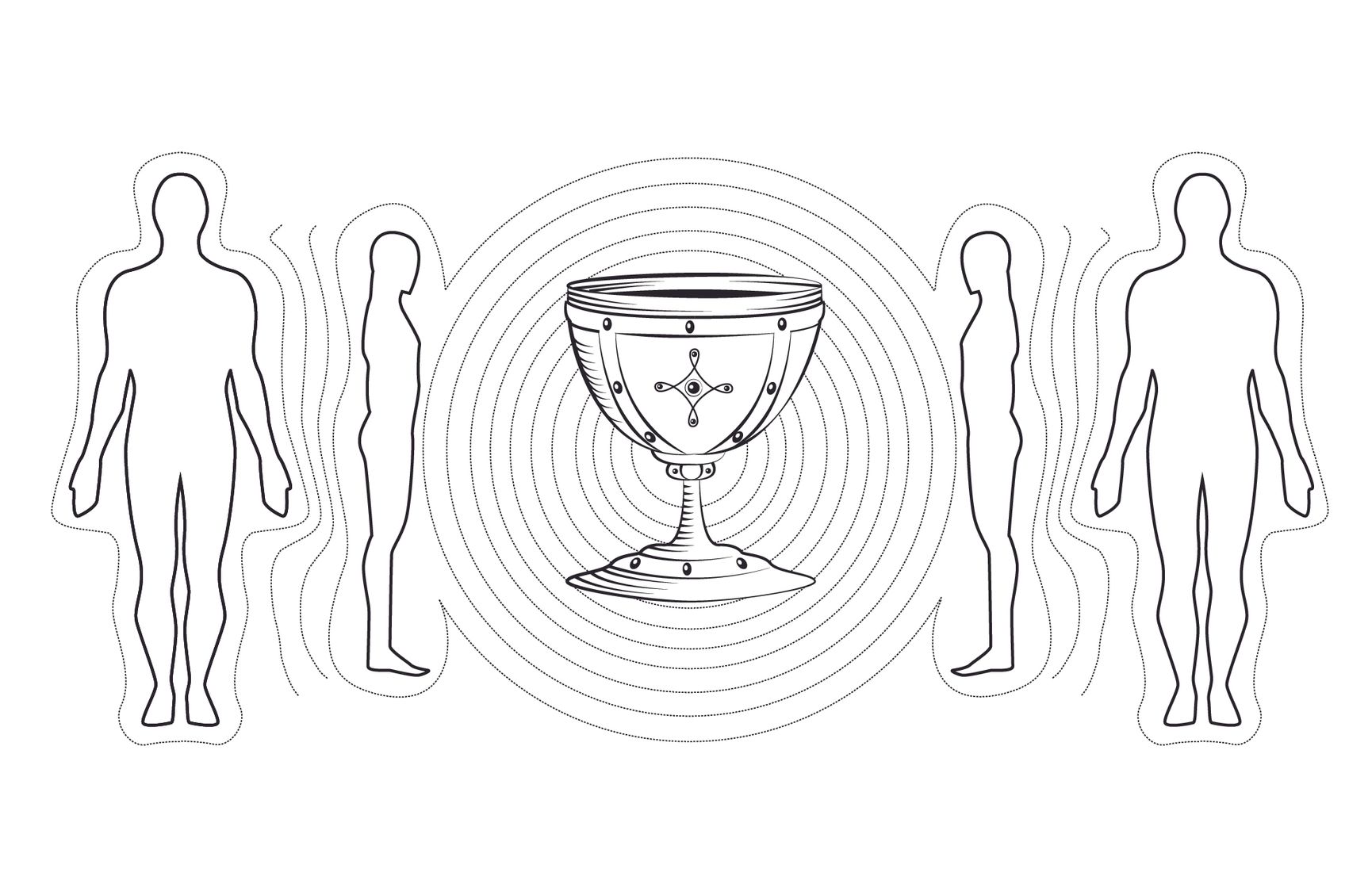

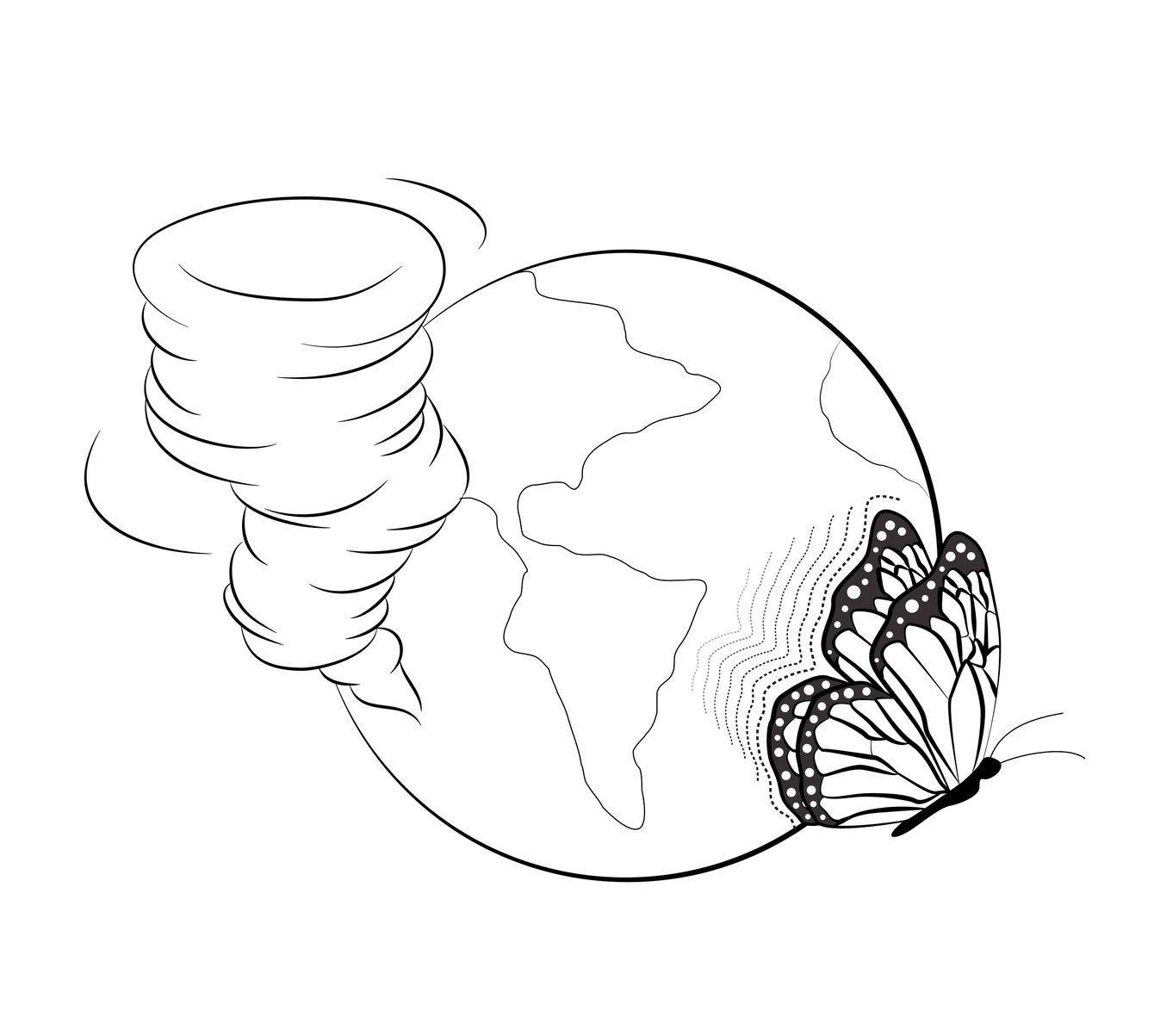
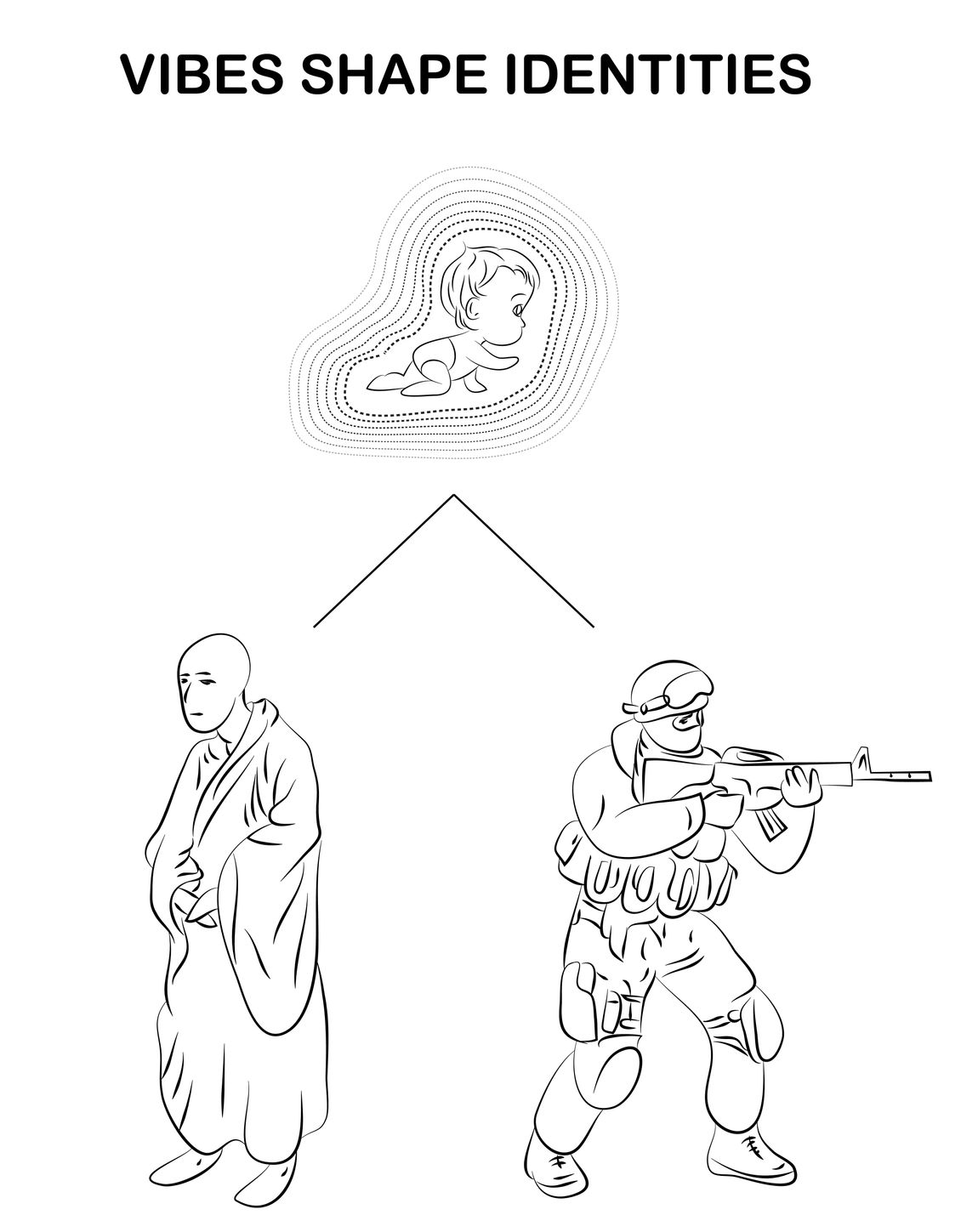



 (Get the wheels turning in our global consciousness rather than trying to bruteforce the problem
yourself)
(Get the wheels turning in our global consciousness rather than trying to bruteforce the problem
yourself)